⚡ Key Takeaways
- The Golden Rule: The industry standard coffee-to-water ratio is 1:15 to 1:17 by weight (1 gram of coffee for every 15–17 grams of water).
- Standard Tablespoon Measure: Use 2 level tablespoons (approx. 10–12 grams) of ground coffee per 6 to 8 ounces of fresh water.
- Drip Machine Benchmark: For a 10-cup coffee pot (typically 50–60 oz), use 10 to 12 level tablespoons.
- Reusable Keurig Pods: Fill reusable K-cup pods with 2 rounded tablespoons (approx. 10–12 grams) for balanced extraction without overflow.
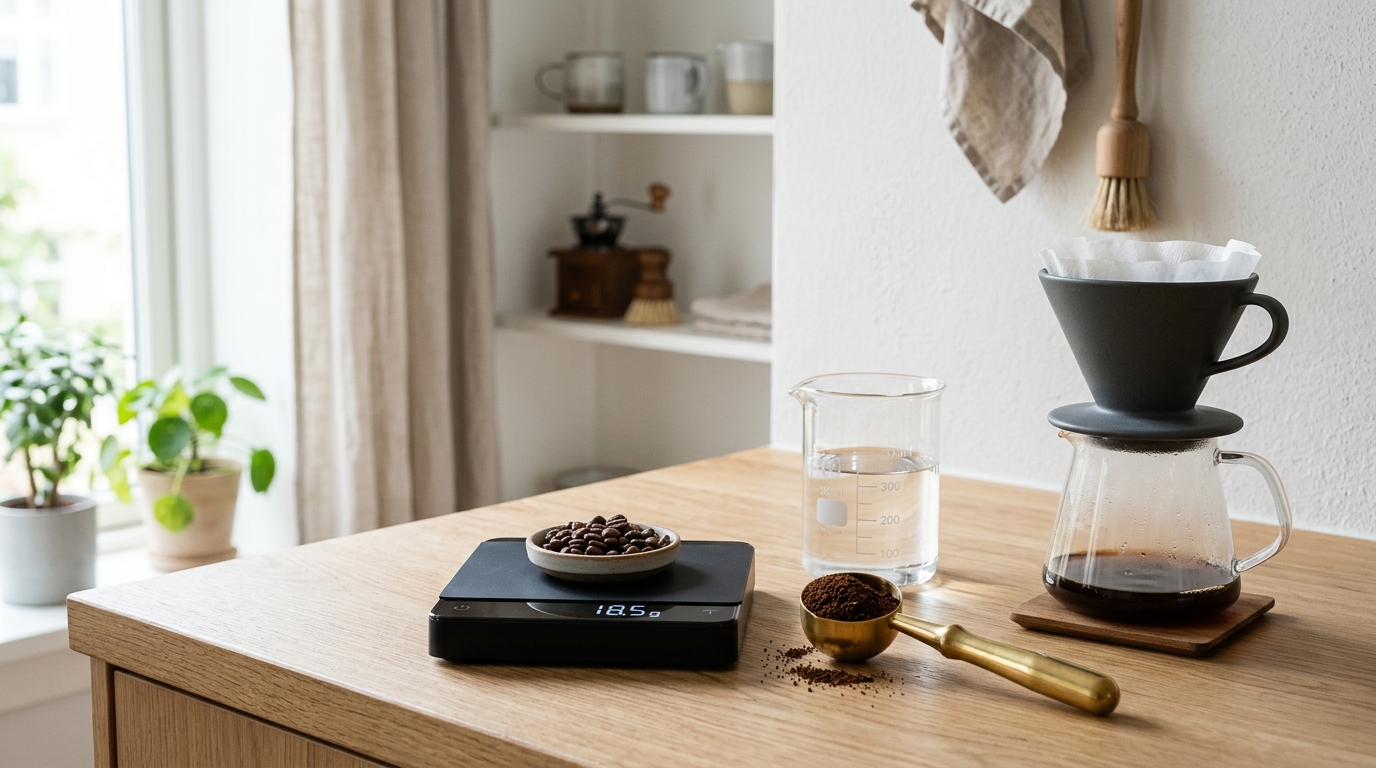
The perfect ground coffee to water ratio is 2 level tablespoons (approximately 10 to 12 grams) of coffee for every 6 to 8 fluid ounces of hot water. This translates to a golden brewing ratio of 1:16 by weight, which extracts the ideal balance of natural coffee sugars, aromatic oils, and pleasant brightness without introducing bitter, over-extracted compounds or watery sourness.
One of the most common reasons home-brewed coffee tastes either disappointingly weak or harsh and astringent is improper measurement. A standard “cup” marking on most automatic drip machines is only 5 to 6 fluid ounces—not a full 8 or 12 oz mug. Understanding how to measure by tablespoons or grams guarantees consistent, delicious coffee every single morning.
Quick Measurement Chart: Tablespoons & Grams per Cup
| Serving Size (Water) | Level Tablespoons | Weight in Grams | Ideal Brew Strength |
|---|---|---|---|
| 1 Standard Cup (6 oz) | 2 level tbsp | 10 – 12 g | Balanced Drip / Pour-Over |
| 1 Large Mug (10–12 oz) | 3 to 4 level tbsp | 20 – 24 g | Rich Morning Cup |
| 6-Cup Drip Carafe (36 oz) | 6 to 7 level tbsp | 60 – 70 g | Classic Automatic Drip |
| 10-Cup Drip Carafe (60 oz) | 10 to 12 level tbsp | 100 – 115 g | Full Breakfast Pot |
| Reusable Keurig K-Cup | 2 level tbsp | 10 – 12 g | Single 8 oz Brew |
Measuring by Weight (Grams) vs. Volume (Tablespoons)
While tablespoons are quick and accessible, using an inexpensive digital kitchen scale provides unmatched consistency:
“`
┌─────────────────────────────────────────────────────────────┐
│ VOLUME (Tablespoons) vs. WEIGHT (Grams) │
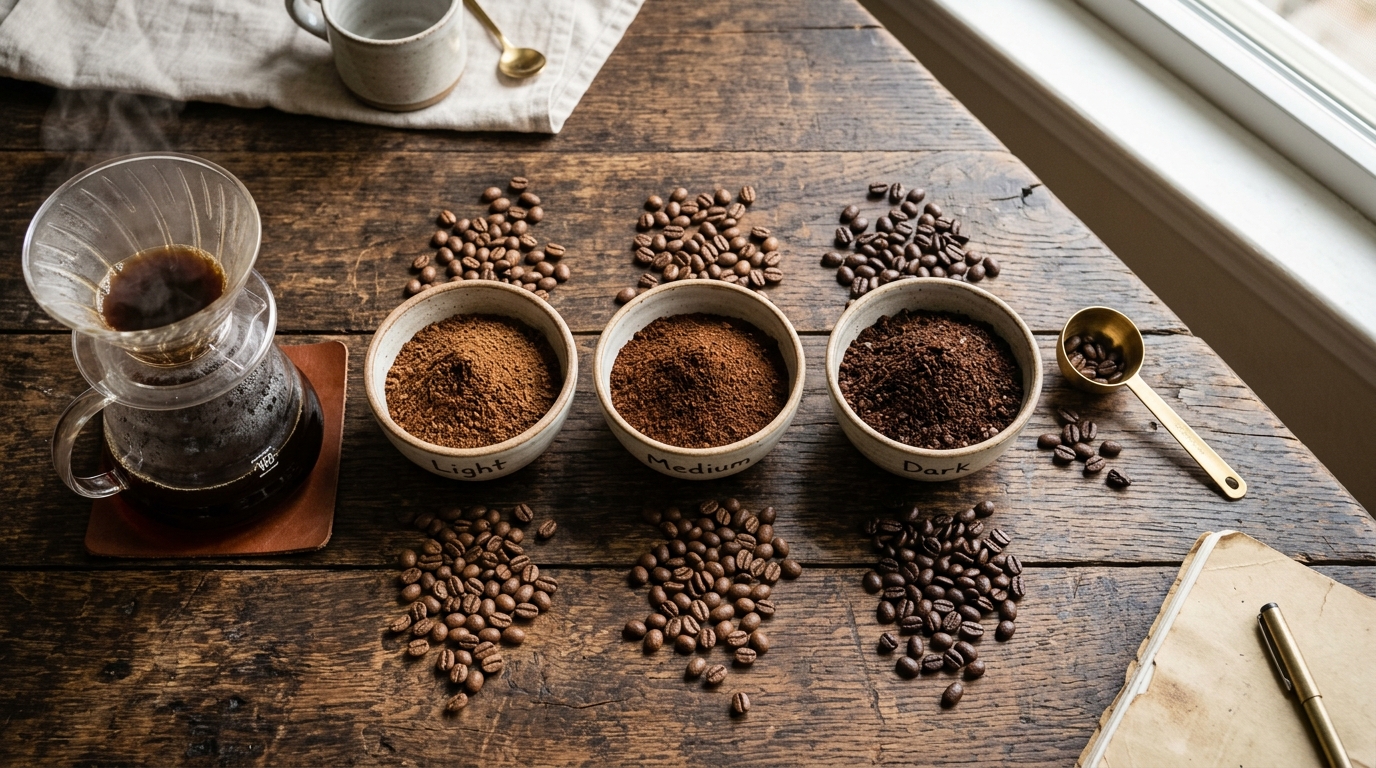
│ • Dark roast coffee is less dense (takes up more volume) │
│ • Light roast coffee is dense and heavy (takes up less room)│
│ • A digital scale measures exact mass regardless of roast │
│ ➔ 1:16 Ratio = Grams of Coffee × 16 = Grams of Water │
└─────────────────────────────────────────────────────────────┘
“`
If you prefer using a tablespoon, ensure you use level tablespoons rather than heaped scoops, which can add 40% more coffee grounds and make your brew excessively bitter.
⚖️ Brew the Golden Ratio with Miko’s Top-Rated Medium Roast
Try Rock Creek Summit Medium Roast: Our #1 signature 4-origin blend of Brazil, Colombia, Guatemala, and Ethiopia. Harmonious, chocolatey, and forgiving across all brewing ratios.
100% Specialty Arabica • Precision Roasted • Available in 12oz Box
How to Fix Common Brewing Ratio Mistakes
- If your coffee tastes sour, sharp, or watery: You are under-extracting. Increase the amount of ground coffee by 1 tablespoon or use slightly hotter water (around 200°F).
- If your coffee tastes bitter, astringent, or dry: You are over-extracting. Reduce the amount of ground coffee slightly or check that your brew time is not exceeding 4 to 5 minutes.
Frequently Asked Questions
How many tablespoons of ground coffee do I need for a 12-cup pot?
For a standard 12-cup automatic drip maker (approximately 72 fluid ounces), use 12 to 14 level tablespoons (approx. 120–135 grams) of medium-ground specialty coffee.
How much coffee do I put in a reusable Keurig pod?
Fill the reusable mesh filter pod to just below the max-fill line—typically about 2 level tablespoons (10–12 grams). Do not tamp or pack down the grounds.
Does dark roast need more or less coffee than light roast?
Because dark roast beans expand and lose moisture during roasting, they are lighter and bulkier. If measuring by tablespoons, you may need slightly more volume for dark roast to achieve the same gram weight as a dense light roast.
Perfect Every Morning Cup
Dialing in your ground coffee ratio takes the guesswork out of your morning routine. With the 1:16 golden standard, high-quality specialty beans, and fresh filtered water, you will consistently enjoy a rich, balanced cup every single day.
Learn about all specialty roast profiles in our master guide: The Complete Guide to Specialty Ground Coffee: Roasts, Ratios & Brewing.